Living here13 min read
Driving in the Dominican Republic: Rules & Local Tips
Planning to drive in the Dominican Republic? Discover local driving habits, road safety tips, rental car advice, licenses and what to expect.
Driving in the Dominican Republic: What You Should Know Before Hitting the Road
Coming from Italy, I thought I was pretty well prepared for driving in the Dominican Republic. I mean, we're not exactly famous for being the most patient drivers either!
But after living in Cabarete for several years, I've realized that driving here comes with its own surprises. And trust me, you'll need more than two eyes to keep up with everything happening around you!
Motorcycles overtaking from every direction (especially the right side), speed bumps you don't see until the very last second, cars stopping unexpectedly (usually on the worst spot, like a curve), and yes, sometimes even cows crossing the road.
And while all of this might sound a little chaotic, having a car is also one of my favorite things about living here. Being able to leave Cabarete for the day, explore a new beach, drive into the mountains or discover a little town along the North Coast is something I really enjoy.
So, if you're planning to rent a car during your vacation or you're thinking about moving to the Dominican Republic, here's what I'd want you to know before getting behind the wheel.
Not just the official rules, but the little things you learn from actually living here.
Is it safe to drive in the Dominican Republic?
This is a question I hear quite often, especially from people visiting for the first time.
And my answer is usually: yes, you can drive here, but you need to pay attention!
Driving in the Dominican Republic is different from driving in Europe or North America. Not necessarily because the roads are always bad, but because traffic can be unpredictable.
One minute you're on a nice paved road, and the next you're slowing down for a pothole, avoiding a motorcycle or waiting for someone who decided to stop in the middle of the street.
I think the most important thing is to drive defensively and never assume that everyone around you will follow the rules.
And please, don't feel pressured to drive like the locals. Take your time!
The unwritten rules of driving in the DR
There are the official traffic laws, and then there are the little things you quickly learn once you start driving here. These aren't actual rules, of course, but they're definitely worth keeping in mind.
- Turn signals are optional... apparently! Some drivers turn without indicating, while others leave their indicators on without turning. Always watch what the vehicle is actually doing.
For my fellow Europeans: here's something that might surprise you! In the Dominican Republic, turning right at a red light is generally allowed, unless a sign indicates otherwise. But always come to a complete stop first, check for pedestrians and oncoming traffic, and make sure it's safe before turning. - Motorcycles are everywhere. And I mean everywhere. They might overtake on either side, squeeze between cars or appear in your blind spot just as you're about to turn. Don't be surprised if you spot someone driving against traffic. It's definitely not legal, but it's another reason to stay extra alert!
- Green doesn't always mean go! Even when the traffic light turns green, take a second to check that cars coming from the other direction have actually stopped. Not everyone seems to respect red lights!
- A honk doesn't necessarily mean someone is angry. Sometimes it's simply a way of saying "I'm here!" or warning you they're approaching.
- Don't assume other drivers will let you go. Even if you have the right of way, make sure they're actually stopping!
- Watch out for moto-conchos and guaguas. These motorcycle taxis, shared taxis and minibuses may stop suddenly to pick up or drop off passengers. And turn signals? They don't seem to be big fans of those either!
- Flashing headlights can mean different things. Don't automatically assume someone is inviting you to go first.
- Some drivers stop wherever it's convenient. Especially around shops, intersections and busy town centers. Keep enough distance to react.
- Always expect the unexpected. A motorcycle carrying a huge delivery (I’ve seen them carry mattresses, washing machines and wooden furniture), someone reversing into traffic or a pedestrian crossing without looking.
My advice: don't waste too much energy getting frustrated. Stay alert, leave space between vehicles and concentrate on getting where you're going safely.
Potholes, speed bumps and road conditions
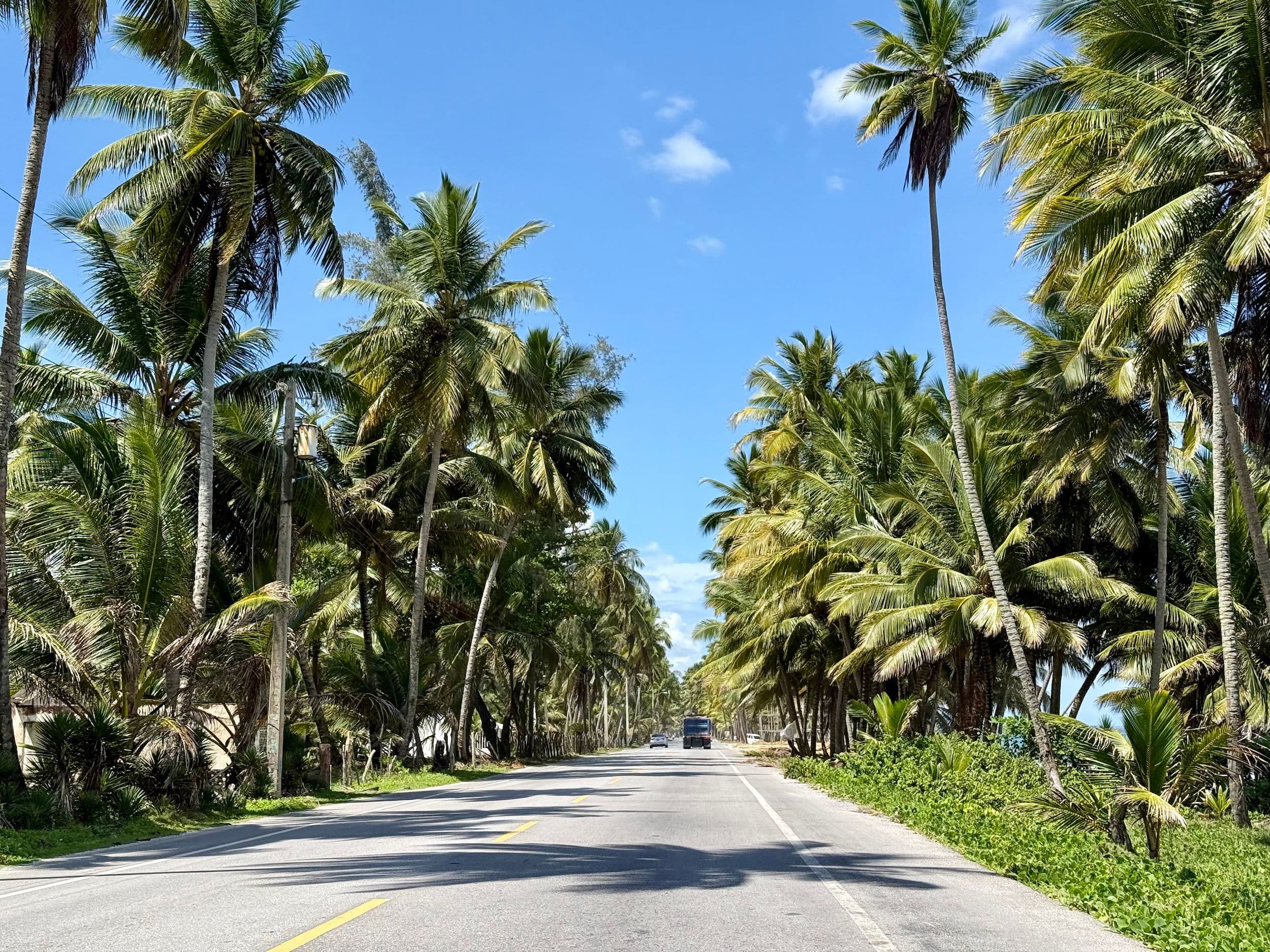
One thing I love about the Dominican Republic is how easy it is to turn an ordinary weekend into a little road trip.
From Cabarete, we can head toward Puerto Plata, Santiago, Jarabacoa or Samaná and enjoy completely different scenery in just a few hours.
But road conditions can vary quite a bit.
Many main highways are paved and comfortable to drive on. Once you start exploring smaller towns and rural areas, however, you might encounter potholes, uneven pavement, narrow roads or sections with barely any street signs.
And then there are the famous policías acostados.
If you're wondering why Dominicans call speed bumps "sleeping policemen," 😂 now you know!
Some are clearly marked. Others seem to appear out of nowhere, so I always recommend slowing down when driving through villages and unfamiliar residential areas.
Also, don't underestimate a pothole filled with rainwater. You never really know how deep it is. Trust me, I've learned this the hard way after ending up with flat tires more than once.
Cows, horses and other unexpected traffic!
And here's something you might not think about when renting a car in the Dominican Republic: animals on the road!
Once you leave the busier towns and start exploring the countryside, especially here on the North Coast, don't be surprised to find cows, horses, stray dogs, goats or chickens crossing the road.
I love exploring the smaller roads around Cabarete, but it's definitely taught me to slow down and pay attention to what's ahead.
Sometimes the biggest traffic jam isn't caused by cars at all!
Keep in mind: if you see an animal near the road, slow down and give it plenty of space. And if one cow crosses, keep an eye out for the rest. There might be a few more following behind!
Driving at night: would I recommend it?
If you're visiting the Dominican Republic for the first time, I'd recommend planning longer drives during daylight whenever possible.
It's not that you can't drive at night, but some roads outside the main towns have very limited lighting.
You might encounter motorcycles without proper lights, pedestrians walking along the roadside, animals or potholes that are much harder to see in the dark.
And if you're not familiar with the road, all of this can become a little stressful.
For example, if you're landing at Puerto Plata Airport late in the evening and aren't comfortable driving here yet, consider arranging a transfer to Cabarete and picking up your rental car the following morning.
I find road trips much more enjoyable when I can actually see the scenery!
What happens when it rains?
If you've spent some time in the Caribbean, you already know how quickly the weather can change. One minute it's sunny, and the next you're driving through a tropical rainstorm.
Heavy rain can make visibility poor, hide potholes and cause flooding in certain areas.
My advice is simple: slow down, increase your distance from other vehicles and don't attempt to drive through flooded sections when you can't see how deep they are.
And if the rain becomes too intense, find somewhere safe to stop until it passes. There's really no reason to rush.
Can tourists drive in the Dominican Republic?
Visitors may be allowed to drive with a valid foreign driver's license, but the rules depend on the license, immigration status and applicable Dominican requirements.
Foreign licenses are generally recognized under certain conditions for a limited period, commonly described as up to six months. BUT, that doesn't mean your tourist stay is automatically valid for six months, or that every rental company and insurer will accept your documents.
Before renting a car, make sure your driver's license is valid in the Dominican Republic and check the rental company's requirements and conditions.
Do you need an International Driving Permit?
An International Driving Permit (IDP) is essentially a standardized translation of your driver's license.
It's not a replacement for your original license, so you'll need to carry both if an IDP is required.
Whether you need one depends on where your license is from and the rental company's rules. If you're renting from a private person, things might work differently, so always double-check. The driving laws still apply either way!
I'd recommend checking before traveling rather than figuring it out at the rental counter.
What if you're moving here?
If you're relocating to the Dominican Republic, the situation is different. You shouldn't assume you can continue driving indefinitely with your foreign license.
The Dominican transport authority, INTRANT, has procedures for obtaining a Dominican driver's license and converting certain eligible foreign licenses through a process called homologación.
Requirements vary depending on your documents and immigration status, so check directly with INTRANT for the current process.
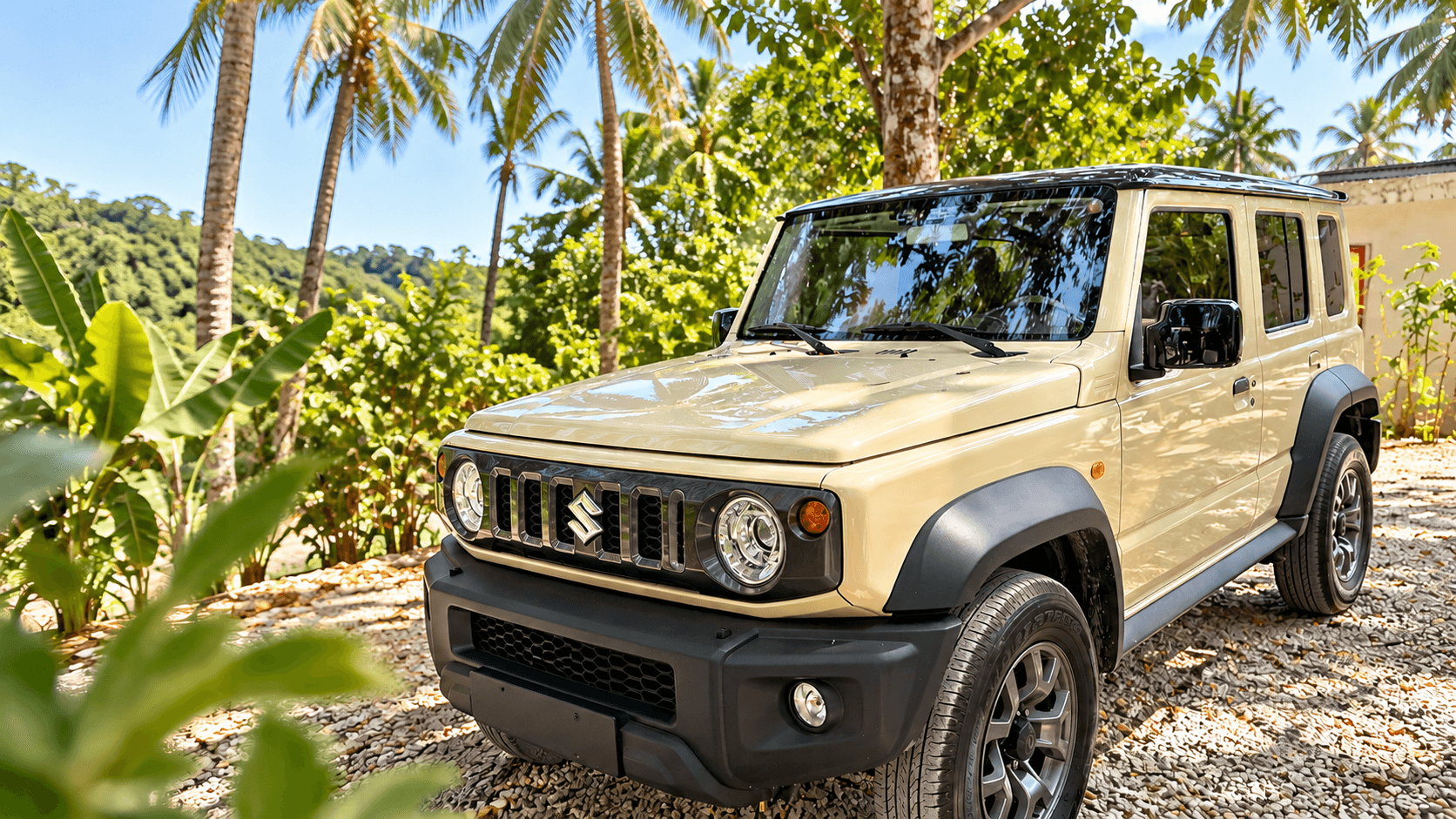
Renting a car in the Dominican Republic
If you're planning to explore beyond your hotel or Airbnb, renting a car can give you so much more freedom. But I'd definitely recommend checking more than just the daily rental price. Here are a few things to ask before booking:
- Insurance: what's actually included in the price?
- Security deposit: how much will be held on your credit card?
- Deductible: how much would you have to pay if something happens?
- Roadside assistance: who do you call if the car breaks down?
- Mileage: are there any limits?
- Additional drivers: can someone else legally drive the vehicle?
- Vehicle condition: are the tires, lights and air conditioning in good working order?
And do like me… always take a quick video of the car and the gas level before leaving the rental location, including any existing scratches or damage, and the fuel level on the dashboard. Better safe than sorry!
What about car insurance?
No matter if you're renting or buying a car, don't overlook insurance.
In the Dominican Republic, vehicles are required to carry basic third-party liability insurance, commonly called seguro de ley. But basic insurance doesn't necessarily cover damage to your own vehicle.
Other insurance options, like seguro full, may provide additional protection, depending on the terms and exclusions.
If you're renting, ask exactly what the policy covers, whether there's a deductible and what happens in case of an accident.
If you're buying, take the time to compare different insurers and coverage options.
I also explain more about this in my guide to buying a car in the Dominican Republic.
What if you get stopped by the police?
You may come across traffic officers or checkpoints while driving around the country.
The agency responsible for traffic enforcement is called DIGESETT.
If an officer signals you to stop, pull over safely, stay calm and have your documents ready.
Depending on your situation, you may need your driver's license, vehicle registration (matrícula) and insurance information.
If you're driving a rental car, make sure you know where the company keeps the vehicle documents.
If you get a traffic ticket, ask for the official fine and how to pay it.
If you're a tourist: you might occasionally be asked for a little propina (tip) during a traffic stop. This isn't an official fine, and you're not required to pay it. Just stay polite, don't offer money, and ask for the official ticket instead.
And here's something I've learned from living in the DR in general: being patient and polite goes a long way.
What should you do if you have an accident?
Hopefully, you'll never need this section, but it's always better to be prepared.
If you're involved in an accident, stop safely and check whether anyone is injured.
For emergencies, the Dominican Republic uses 911.
Contact your insurer or rental company as soon as possible and follow their instructions.
Take photos and collect relevant information when it's safe to do so. Depending on the circumstances, you may also need to report the accident to the appropriate authorities.
Avoid signing anything you don't understand or agreeing to unofficial payments just to settle things quickly. I've heard stories of this happening after accidents involving uninsured motorcycles, so it's always better to follow the proper process.
It's also a good idea to save your insurer's emergency number on your phone before you need it.
Driving around Cabarete and Sosúa
Now, let's talk about my favorite part of the country!
One of the reasons I love living in Cabarete is that you don't necessarily need a car for everyday life, especially if you're staying right in the center.
You can walk to the beach, restaurants, cafés, supermarkets and plenty of other places.
But once you want to explore beyond town, having a car makes life much easier.
A few local things worth knowing:
Cabarete town center: the main road can get busy with motorcycles, pedestrians, delivery vehicles and cars stopping along the roadside. It's not somewhere I'd recommend rushing.
Kite Beach and Encuentro: both are close to Cabarete, but having transportation can be helpful, particularly if you're staying outside the center, especially since you'll need to go grocery shopping at some point!
Sosúa: expect more activity around commercial areas, local transport stops and intersections.
Puerto Plata: you'll encounter more city traffic, including roundabouts, one-way streets and busier intersections.
And if you're planning to explore rural roads around the North Coast, don't assume every shortcut on Google Maps is suitable for a regular car.
Sometimes the longer route is actually the better choice!
Google Maps or Waze?
Both can be useful for getting around the Dominican Republic. I recommend having a navigation app ready, especially when driving somewhere unfamiliar.
But here's the thing: just because Google Maps says there's a road doesn't necessarily mean it's a good road!
Some shortcuts may lead you through narrow streets, unpaved sections or routes that aren't ideal after heavy rain.
If something doesn't look right, don't be afraid to turn around and stick to the main road.
And if you're heading into the mountains or exploring remote areas, download your map beforehand in case you lose reception.
Should you rent or buy a car?
This really depends on how long you're planning to stay.
If you're visiting Cabarete for a week or two, renting a car for a few days might be enough, especially if you're staying within walking distance of the beach and restaurants.
If you're relocating or living outside the center, having your own vehicle may be much more convenient.
Of course, owning a car also means budgeting for insurance, maintenance, fuel and the occasional unexpected repair.
If you're considering purchasing one, I've written a separate guide about buying a car in the Dominican Republic, including dealerships, financing, inspections and transferring ownership.
Read my guide to buying a car in the Dominican Republic.
My final advice for driving in the Dominican Republic
Driving here definitely takes a little getting used to, but I wouldn't let it discourage you from exploring.
Some of my favorite things about living in Cabarete involve getting out of town for the day, discovering a new beach, driving into the mountains or stopping somewhere unexpected along the way.
Just remember: drive defensively, stay patient and don't assume everyone else will follow the rules.
And if you see a cow standing in the middle of the road, well... welcome to the Dominican Republic!
See you around Cabarete!
And if you're thinking about buying, renting or relocating to the North Coast, feel free to get in touch with me. I'm always happy to share what I've learned about life here and help you find the right property.
info@giointhedr.com
WhatsApp / Phone call +1-809-299-4917
!!
Disclaimer: this article combines personal observations with general information. Traffic regulations, license requirements and insurance conditions can change. Always verify current rules with the relevant Dominican authorities, your rental company and insurer.