Living here13 min read
Buying a Car in the Dominican Republic: Complete Guide
Buying a car in the Dominican Republic? Learn about financing, down payments, insurance, ownership transfers and driving with a foreign license.
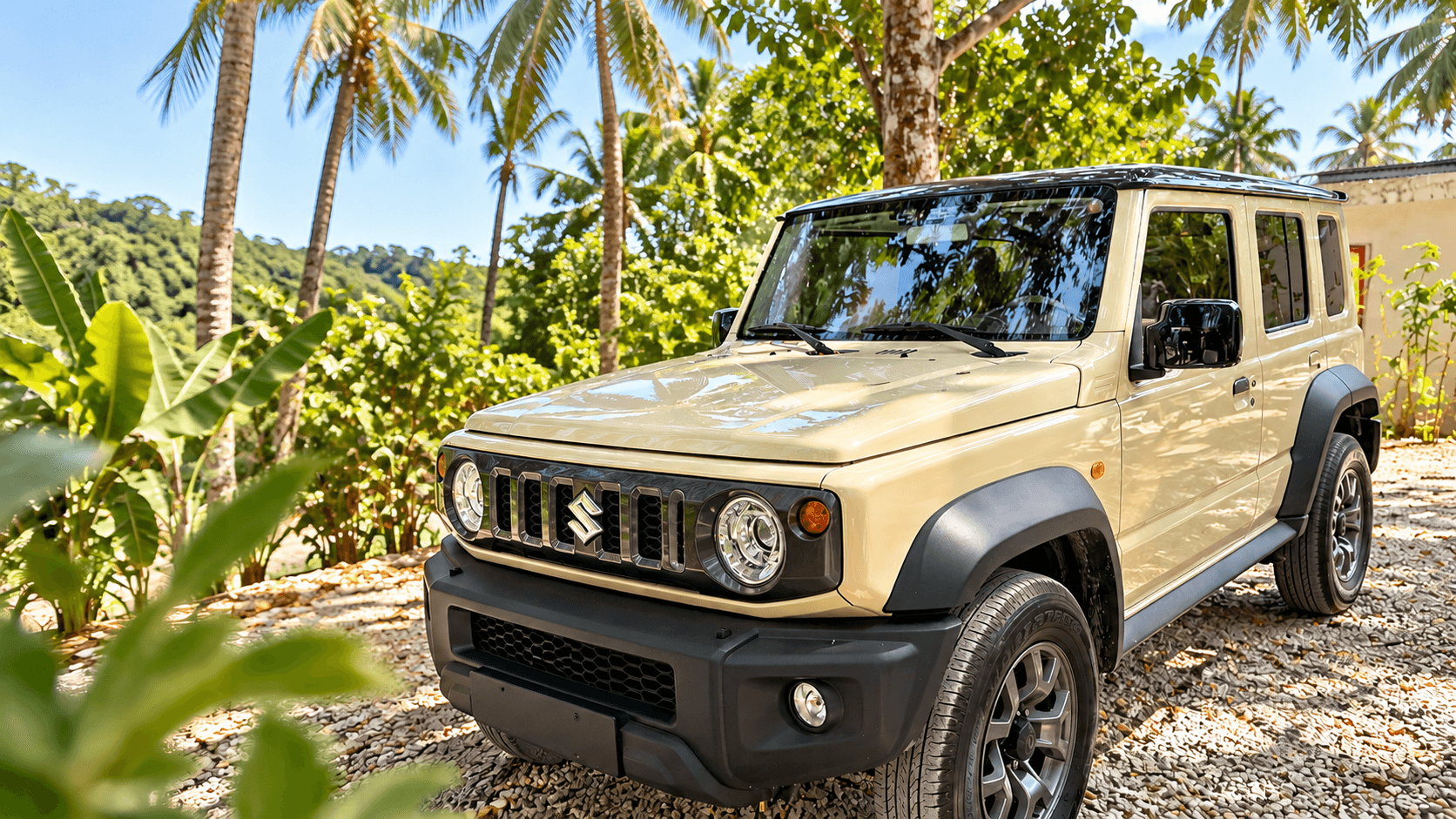
Buying a car in the Dominican Republic: everything you need to know
Thinking about buying a car in the Dominican Republic?
If you're planning to move here, spend several months a year in the country, or simply want more freedom to explore, having your own car can make life a lot easier.
Especially here on the North Coast.
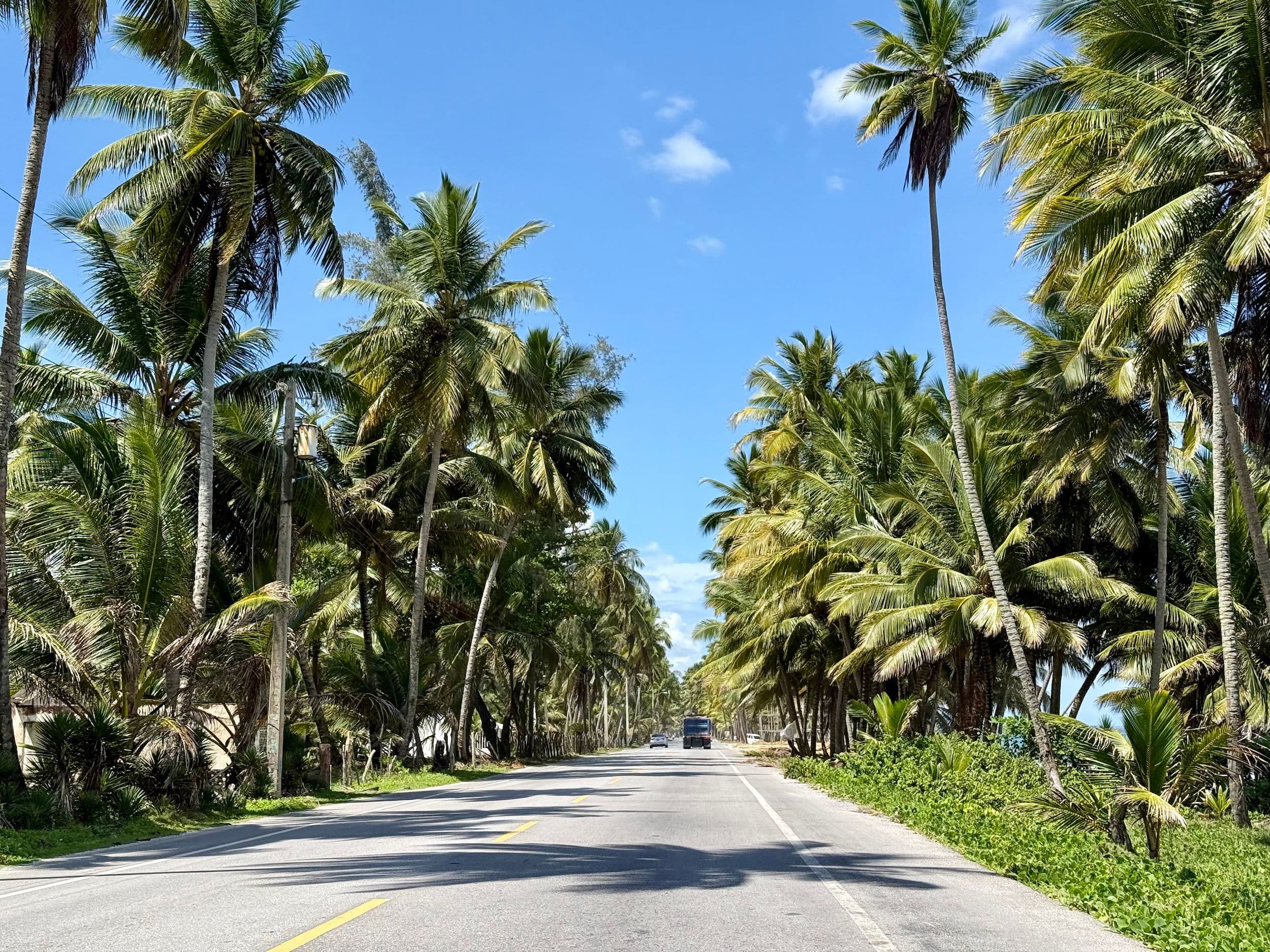
Living in Cabarete, I love that I can walk to the beach, cafés and restaurants. But once you want to explore Sosúa, Puerto Plata, Santiago, the mountains or some of those beautiful beaches that are a little harder to reach, having a car is a must.
But buying a car in the Dominican Republic isn't exactly the same as buying one in Europe, Canada or the US.
There are a few things worth understanding before handing over your money: how payments work, whether you can finance a vehicle through a Dominican bank, what the inicial means, insurance, ownership transfers and, of course, whether you can drive with your foreign license.
Here's what you should know before getting behind the wheel (based on my experience in the country).
Where to buy a car in the Dominican Republic
There are several ways to buy a vehicle here, depending on your budget and whether you're looking for something new or used.
1. Car dealerships: concesionarios and dealers
You'll find authorized dealerships selling new vehicles, as well as independent dealers specializing in used cars.
Larger cities like Santiago and Santo Domingo generally offer more choices (like Santo Domingo Motors), although you can also find dealers around Puerto Plata and Sosúa.
If you're shopping for a used vehicle, don't assume that buying from a dealer automatically means everything is in perfect condition.
Ask about the vehicle's history, mileage, maintenance records, warranty (if any) and whether the dealer will handle the ownership transfer.
Major car dealerships in the Dominican Republic
2. Buying from a private seller
Buying directly from an individual can sometimes mean a better price.
You'll see cars advertised through online marketplaces like Facebook, social media and personal recommendations.
But this is where I'd be particularly careful.
Before paying, have a mechanic inspect the car, verify the ownership documents and make sure there are no outstanding financing restrictions or legal issues.
3. Car fairs: ferias de vehículos
Here's something you'll probably come across if you live in the DR: ferias de vehículos.
These are car sales events, sometimes organized in collaboration with banks, dealerships or vehicle distributors.
They can be a good opportunity to compare several vehicles, ask about financing and find promotional loan conditions.
Some banks also run their own car-financing fairs with special rates or terms for eligible customers.
Don't get distracted by the advertised monthly payment. Ask about the total financing cost, insurance, fees and how much you'll need to pay upfront.
Start your search online: supercarros.com
Before visiting dealerships, I'd recommend checking out supercarros.com, one of the most popular websites for buying and selling vehicles in the Dominican Republic.
You'll find listings for new and used cars from dealerships and private sellers, with filters for brand, model, year, price and location.
It's a great starting point to compare prices and get a realistic idea of the local car market, even if you're not quite ready to buy.
My tip: don't limit your search to Cabarete or Puerto Plata (prices can be higher around here). Check Santiago, Moca, and Santo Domingo too! You'll find a wider selection, and sometimes it's worth making the trip for the right car.
And remember, just because a car looks perfect in the pictures doesn't mean you should skip the inspection. Always have a trusted mechanic check it before buying.
How do you pay for a car in the Dominican Republic?
There are two main options: paying the full amount yourself or financing the purchase.
Option 1: paying in full (cash)
When people here say they're buying a car al contado / efectivo, they mean paying the full purchase price instead of taking out a loan.
That doesn't necessarily mean handing someone a bag of cash! For larger transactions, a bank transfer or another documented payment method is generally the safer option.
Always request a receipt, make sure the sale contract accurately records the transaction and verify that the seller is legally entitled to sell the vehicle.
If you're transferring money from abroad, check exchange rates and transfer fees before agreeing on the final price.
Option 2: financing through a Dominican bank
Yes, you can apply for a car loan through a bank in the Dominican Republic.
BUT if you've just moved here, there's something important to understand.
Having an established banking relationship, documented income and a good credit history can make the financing process easier.
Banks typically evaluate your ability to repay, existing debts, documentation and the vehicle itself.
If you're a foreigner without Dominican credit history, a local bank account or regular documented income, getting approved may be more complicated.
That doesn't mean it's impossible, but I wouldn't count on financing until the bank has reviewed your situation.
Disclaimer: I haven't personally financed a car in the Dominican Republic, but several of my Dominican family members and friends have gone through the process. So I'm sharing what I've learned from their experiences, along with general information to help you understand how it works. Requirements and financing conditions can vary depending on the bank and your personal situation.
What is the inicial?
You'll hear this word all the time when shopping for a car.
The inicial is your down payment, the amount you pay upfront before financing the remaining balance.
For example, imagine you're buying a vehicle for RD$1,500,000.
Car price: RD$1,500,000
Inicial (20%): RD$300,000
Amount financed: RD$1,200,000
This is just an illustration, not a guaranteed financing offer.
Financing 100% of the purchase price isn't something I'd assume will be available. Many car loans require an initial contribution, and the percentage can depend on the bank, vehicle age, loan product and your financial profile.
Before signing, ask about the interest rate, whether it's fixed or variable, loan term, insurance requirements, administrative fees and the total amount you'll repay. A lower monthly payment doesn't always mean a better deal.
Disclaimer: I haven't personally financed a car in the Dominican Republic, but several of my Dominican family members and friends have gone through the process. So I'm sharing what I've learned from their experiences, along with general information to help you understand how it works. Requirements and financing conditions can vary depending on the bank and your personal situation.
Car insurance in the Dominican Republic
Car insurance is another expense you should include in your budget from the beginning.
In the Dominican Republic, motor vehicles must have the legally required third-party liability insurance.
But there's an important difference between basic coverage and more comprehensive protection.
Basic insurance: seguro de ley
This is the minimum legally required liability coverage.
It's designed to provide protection for covered damages or injuries caused to third parties, subject to the policy's limits and conditions. It generally isn't the same as having protection for damage to your own vehicle.
Full coverage: seguro full
More comprehensive insurance can offer additional protection for your own vehicle, theft, collision and other risks, depending on the policy.
If you're financing a car, your lender may require a particular level of coverage.
I'd recommend comparing at least a few quotes and checking the deductible, exclusions, roadside assistance and what happens if someone else is driving your car.
And one very practical question: What exactly do you need to do after an accident? Ask your insurer before you ever need to make a claim.
A little disclaimer: I'm sharing general information about car insurance in the Dominican Republic to help you understand your options. Always check directly with your insurer to understand exactly what's included, what's excluded and what you're actually covered for before signing anything.
What is the traspaso de matrícula?
This is one of the most important steps when buying a used car.
The matrícula is the vehicle registration document, and the traspaso is the official transfer of ownership from the seller to the buyer.
In other words, paying for the car doesn't automatically mean the government has registered it in your name. The transfer is handled through the Dominican tax authority, the DGII.
The standard transfer tax is 2% of the vehicle's value as determined under the applicable rules, plus any relevant administrative fees.
The DGII also establishes a deadline of 90 working days for completing the transfer, with possible penalties for late registration.
Don't forget the marbete
Another Dominican word worth learning!
The marbete is the annual vehicle circulation tax, represented by a sticker associated with the vehicle's registration.
Make sure you understand whether the current marbete is paid and when the next renewal is due.
This is different from your insurance policy and different from the ownership transfer.
Buying a used car? Check these things first
I asked a few of my Dominican friends who are really into cars what they'd check before buying a used one here. Here's what they told me to look out for:
- Have a mechanic inspect the engine, transmission, brakes, suspension and air conditioning.
- Verify that the chassis/VIN number matches the documents.
- Confirm the seller is the registered owner or legally authorized to sell.
- Check for outstanding loans, liens, restrictions or unpaid obligations.
- Ask for maintenance records and any available accident history.
- Check the tires, battery and signs of flood or water damage.
- Make sure the air conditioning works properly: you'll appreciate that in the Caribbean!
- Confirm the full cost of the ownership transfer before paying.
And if you're buying a used vehicle on the North Coast, remember that salt air, humidity, heat and road conditions can affect how cars age.
Car maintenance, inspections and finding a good mechanic
Here's another thing to keep in mind when owning a car in the Dominican Republic: finding a good mechanic (mecánico de confianza) is everything!
Between potholes (hoyos), speed bumps (policías acostados), heat, humidity and salty air, cars can take quite a beating, especially here on the North Coast.
It’s not worth buying a Ferrari if you live in Cabarete! ;)
Regular maintenance (revisiones) is important, from oil changes and brakes to tires, suspension and air conditioning. And if you're buying a used car, I'd absolutely recommend taking it to a mechanic for a full inspection before making any payment. I sometimes go to David’s Tire Shop in Sosúa for minor repairs and routine maintenance.
You'll find plenty of local workshops (talleres) around Cabarete, Sosúa and Puerto Plata, but quality and pricing can vary. Personally, I'd always ask for recommendations from people who live here, request a quote before approving repairs, and check whether the price includes both parts and labor (piezas y mano de obra). Also, I am not a fan of mechanics and talleres in Cabarete (bad experiences so I won’t recommend you any).
Once you find a reliable mechanic, keep their number saved! And don't wait until something breaks to have your car checked. A little preventive maintenance can save you a much bigger bill later.
Can tourists drive in the Dominican Republic with a foreign license?
If you're visiting the Dominican Republic and renting a car, you may be able to drive using your valid foreign driver's license, subject to Dominican rules and the conditions of your rental company and insurer.
But don't confuse a foreign driver's license with an International Driving Permit (IDP).
Do you need an international driver's license?
An International Driving Permit is a standardized translation of your existing driver's license.
It isn't an actual license and doesn't replace the original.
For short visits, an IDP can be useful, particularly if your license isn't easily understood in Spanish or if your rental company requests one.
However, an IDP doesn't automatically extend the period you're legally allowed to drive as a visitor.
Before traveling, check the rules applicable to your country of license, length of stay and rental agreement.
What if you're staying longer?
This is where things get more complicated.
Being allowed to drive during a short vacation isn't necessarily the same as being legally authorized to drive indefinitely while living in the Dominican Republic.
If you're relocating, you should check the Dominican licensing requirements rather than relying on your foreign license or IDP forever.
How to get a Dominican driver's license
The authority responsible for driver's licenses is INTRANT: Instituto Nacional de Tránsito y Transporte Terrestre.
The process depends on your status and whether you're applying for your first license or qualifying for a foreign-license exchange.
You may need to meet identification, immigration or residency requirements, complete medical or aptitude evaluations, and pass the theory and practical driving tests.
Not every foreign license can automatically be exchanged for a Dominican one.
Before starting, check the current procedure directly with INTRANT.
Official website: https://intrant.gob.do
Is it worth buying a car if you live in Cabarete?
This really depends on your lifestyle.
If you're staying in central Cabarete for a couple of weeks, you might not need a car at all. You can totally walk to the beach, restaurants, cafés and many everyday essentials.
But if you're relocating, living in a residential community outside the center, commuting regularly or planning weekend trips, owning a car can make a big difference.
It gives you the freedom to explore beyond Cabarete without constantly organizing transportation.
Of course, you'll also have to budget for fuel, maintenance, insurance, registration expenses and the occasional unexpected repair.
So before buying, I'd recommend renting for a little while and getting a feel for the roads, your daily routine and how much you drive.
My final advice before buying a car in the DR
Don't rush the process.
Compare prices, understand your financing options, get an independent inspection and make sure the ownership transfer is handled correctly.
And if you're new to the Dominican Republic, don't be afraid to ask questions. Learning the local terminology (inicial, matrícula, traspaso, marbete, seguro full) already makes the process a little less intimidating.
Moving to another country means learning how a lot of everyday things work, and buying a car is definitely one of them.
I share these practical guides because life in the Dominican Republic is about much more than beautiful beaches.
If you're considering relocating to Cabarete or Sosúa, you can explore more of my local guides on Gio in the DR, from banking and utilities to neighborhoods, cost of living and buying property.
See you around Cabarete! And if you're thinking about buying, renting or relocating to the area, feel free to schedule a meeting with me, I'd be happy to help you find the right property!
info@giointhedr.com
WhatsApp / Phone call +1-809-299-4917
!!!
Disclaimer: This is a general guide, not legal, insurance or financial advice. Rules, fees, financing conditions and license requirements can change. Confirm current requirements with the DGII, INTRANT, your bank and insurer before making decisions.