Buying process6 min read
Buying Property in the Dominican Republic: What Foreign Buyers Need to Know
Learn how to buy property in the Dominican Republic as a foreign buyer. From finding the right area to closing costs, taxes and hidden ownership expenses, here's the complete step-by-step guide.
Buying a property in the Dominican Republic is exciting, but it can also feel overwhelming if you've never done it before, it was for my family for sure!
As a real estate agent in Cabarete, one of the questions I get asked the most isn't "Which condo should I buy?". It's: "How does the buying process actually work in the DR?"
The good news is that the process is straightforward when you have the right people guiding you. This guide walks you through each step, from choosing the right neighborhood to receiving your keys, and is based on my experience helping international buyers relocate and invest on the North Coast, alongside Cabarete Properties, the local real estate agency I work with.
I've also created a free downloadable Cabarete Buyer's Guide with checklists and questions you can take with you during the process.
Step 1: decide why you're buying
Before looking at listings, be clear about your goal. Are you buying for:
- A full-time residence
- A vacation home
- A retirement property
- A rental investment
- A combination of personal use and rental income
This single decision will influence almost everything else, including the neighborhood, the property type and your monthly ownership costs.
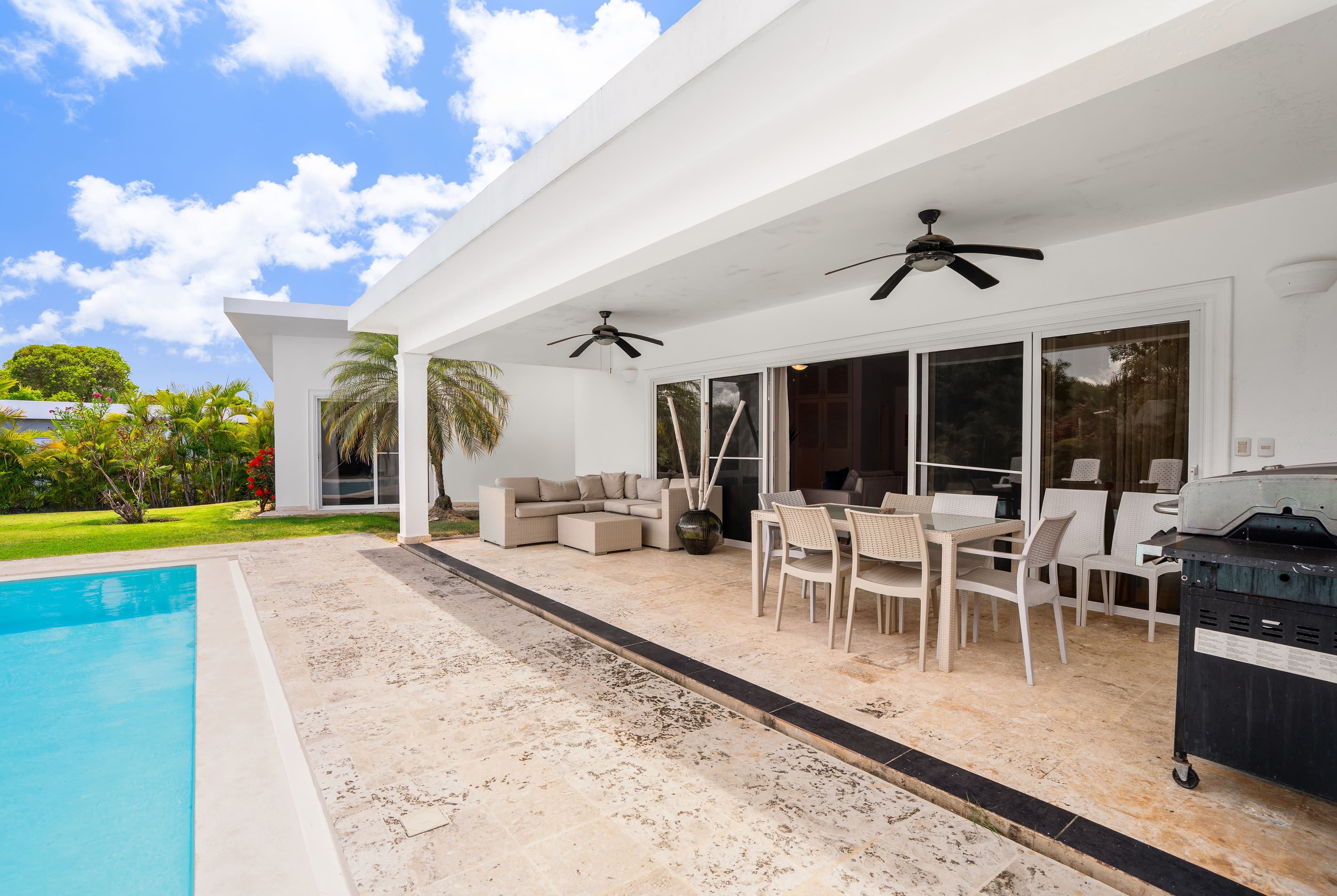
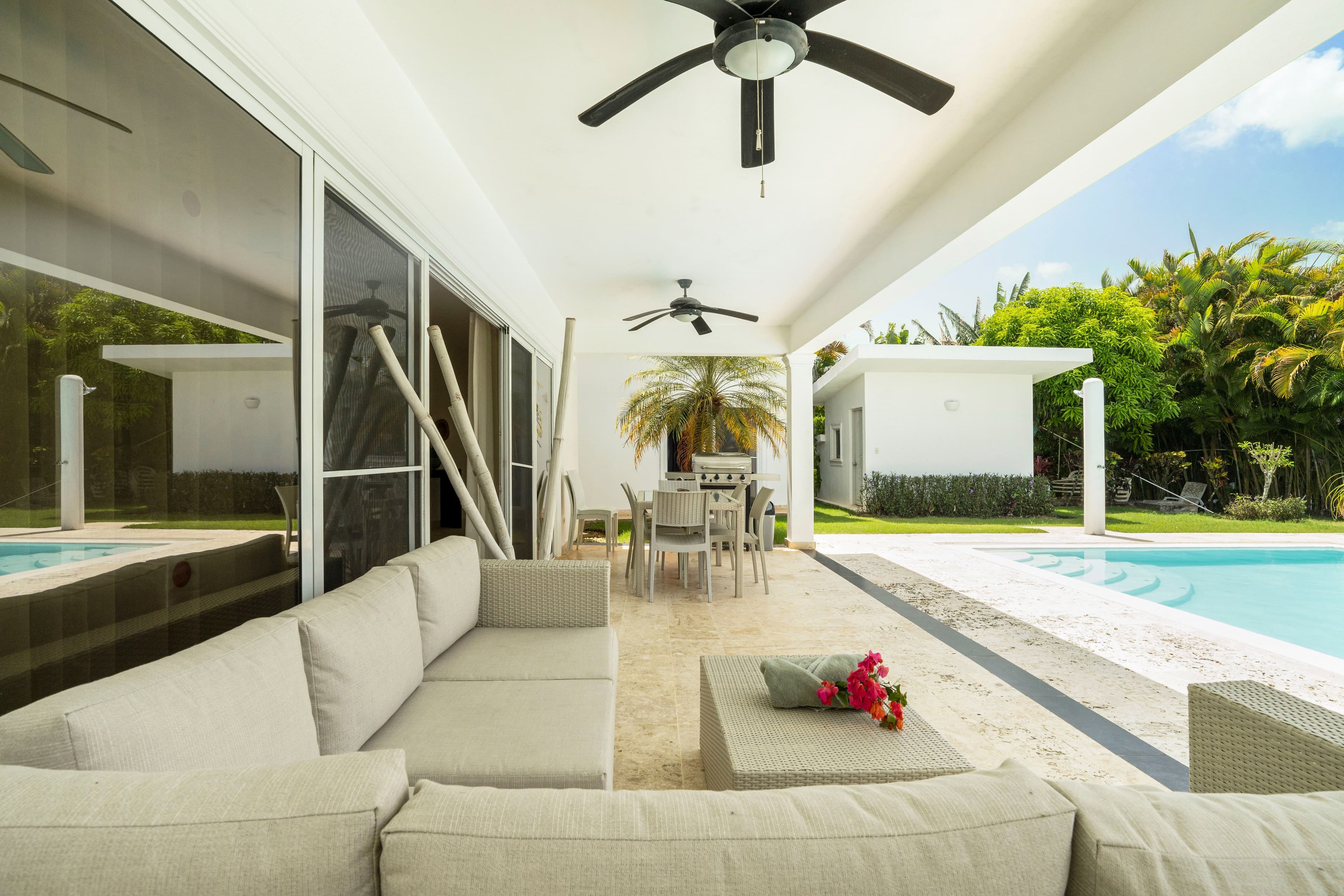
A beachfront condo may be perfect for rental income, while a quiet villa in a gated community is the best choice for full-time living.
Step 2: choose the right area
One of the biggest mistakes buyers make is choosing a property before understanding the location.
Spend a few days exploring different neighborhoods and ask yourself:
- Do I want to walk everywhere?
- Is being on the beach essential?
- Do I prefer peace and privacy?
- Will I need schools or family amenities?
- Am I buying for surfing, kitesurfing or a residential lifestyle?
- How close do I want to be to restaurants and supermarkets?
In Cabarete, areas like Cabarete Bay, Kite Beach, Encuentro, Perla Marina and ProCab all offer completely different lifestyles despite being only minutes apart. I created map with all of the neighborhoods and their locations here.
Step 3: view properties with the right questions
A beautiful kitchen is great. A well-managed building is even better. During a viewing, I always recommend asking about the things that aren't obvious in the photos (this list is also what I share with you during a property tour).
Your property viewing checklist
- HOA fee and what it includes
- Backup generator
- Water cistern and pump
- Internet availability
- Rental restrictions
- Furniture included
- Parking and storage
- Building maintenance
- Upcoming assessments or major repairs done recently
- Average monthly utility costs
These questions often reveal much more about the property than the finishes alone.
Step 4: make an offer
Once you've found the right property, your agent (me) will negotiate the purchase on your behalf. This usually includes:
- Purchase price
- Reservation deposit
- Payment schedule
- Furniture and appliances included
- Closing timeline
- Any special conditions (like an interest rate)
Everything should be documented clearly before moving forward.
Step 5: hire an independent lawyer
Your real estate agent and your lawyer have two different roles.
As your agent, I help you:
- Find the right property
- Compare neighborhoods
- Negotiate the purchase
- Understand ownership costs
- Coordinate the transaction
Your lawyer protects your legal interests by verifying:
- Property title
- Legal ownership
- Liens and encumbrances
- Property tax status
- HOA debts
- Seller documentation
- Property boundaries
- Purchase agreement
Even with new developments, legal due diligence is essential. A local real estate lawyer typically charges around 1–1.5% of the purchase price for legal services and due diligence, although fees can vary depending on the property and complexity of the transaction.
Step 6: understand the closing costs
The purchase price is not the total amount you'll need to budget. Besides the property itself, buyers should expect several one-time closing costs.
Typical closing costs
3% Transfer Tax: paid by the buyer
Legal & Notary: paid by the buyer
Agency Commission: paid by the seller
The 3% transfer tax
For most properties, buyers should budget for a 3% real estate transfer tax.
Some new developments qualify for CONFOTUR, which may exempt eligible buyers from paying this transfer tax for a specific period. Always confirm whether CONFOTUR applies before calculating your final costs.
Step 7: don't forget the hidden costs
This is probably the section that saves buyers the most surprises. Two properties may have the same sale price but completely different monthly ownership costs.
Typical monthly ownership costs
Property Tax (IPI): 1% a year
Rental Income Tax: 18%
HOA: varies by community
Electricity: depends on size & AC usage
Internet & Cable: ~US$35–100/month
Drinking Water: ~US$25–35/month (bottled)
Property Insurance: varies
Maintenance & Repairs: varies
Property Management: recommended if living abroad
Real examples from Cabarete
These are examples from communities I work with:
- Coccoloba: HOA of US$2.09 per m²
- Ocean One: Around US$300–330/month for a 1-bedroom, including electricity and US$500–550/month for a 2-bedroom (including electricity)
- Seawinds: Approximately US$450/month for a beachfront 2-bedroom (electricity paid separately)
- Smaller ProCab buildings: Around US$150/month for a 1-bedroom
The goal isn't finding the lowest HOA. It's understanding what the HOA actually covers. Security, pools, elevators, landscaping and even electricity can make a higher fee much better value.
Step 8: sign the purchase agreement
When you are ready to buy a property, both parties sign the purchase agreement and follow the agreed payment schedule. A typical transaction may include:
- Reservation
- Initial deposit
- Due diligence period
- Final payment
- Closing
- Transfer Tax is paid
Every official document is in Spanish and can be translated to English, all are signed in blue ink.
Step 9: closing day
This is when ownership officially changes hands. Closing typically includes:
- Final payment
- Title transfer
- Delivery of keys
- HOA ownership update
- Utility registration
- Property documentation
If you're buying from abroad, much of this can be easily coordinated with someone that can represent you.
10 questions every buyer should ask
Before making an offer, save this checklist:
- Is the title clear?
- What exactly is included in the sale?
- How much is the HOA?
- What does the HOA cover?
- Are there upcoming assessments?
- Is Airbnb allowed?
- Does the property have a backup generator?
- Is there a water cistern?
- What are the realistic monthly ownership costs?
- What rental potential does this location actually have?
These questions make comparing properties much easier.
Need representation to find, buy or relocate?
No matter if you're searching for a beachfront condo, an investment property or planning a move to Cabarete, I'm Gio in the DR, at your service.
I help buyers throughout Cabarete and the North Coast compare neighborhoods, understand the real costs of ownership and navigate the entire buying process from the first conversation to closing.
Get in touch and tell me what you're looking for. Even if you're just starting your search, I'd be happy to help you find the right area, the right property and make your move to the Dominican Republic as smooth as possible.
info@giointhedr.com
WhatsApp / Phone call +1-809-299-4917